
The U.S. Senate’s failure to advance the war powers resolution on March 4, 2026, by a 53-47 vote, marks a 100% legislative clearance for President Trump to continue "Operation Epic Fury" against Iran. This 6-vote margin in the Republican-led chamber solidifies a partisan divide where only one Republican, Senator Rand Paul, joined the Democratic bloc, while one Democrat, Senator John Fetterman, crossed the aisle to block the resolution. With the conflict entering its second week, the procedural defeat ensures that the executive branch maintains its current $890 million to $1 billion daily operational expenditure (OPEX) without the immediate 60-day withdrawal mandate typically triggered by the War Powers Act of 1973.
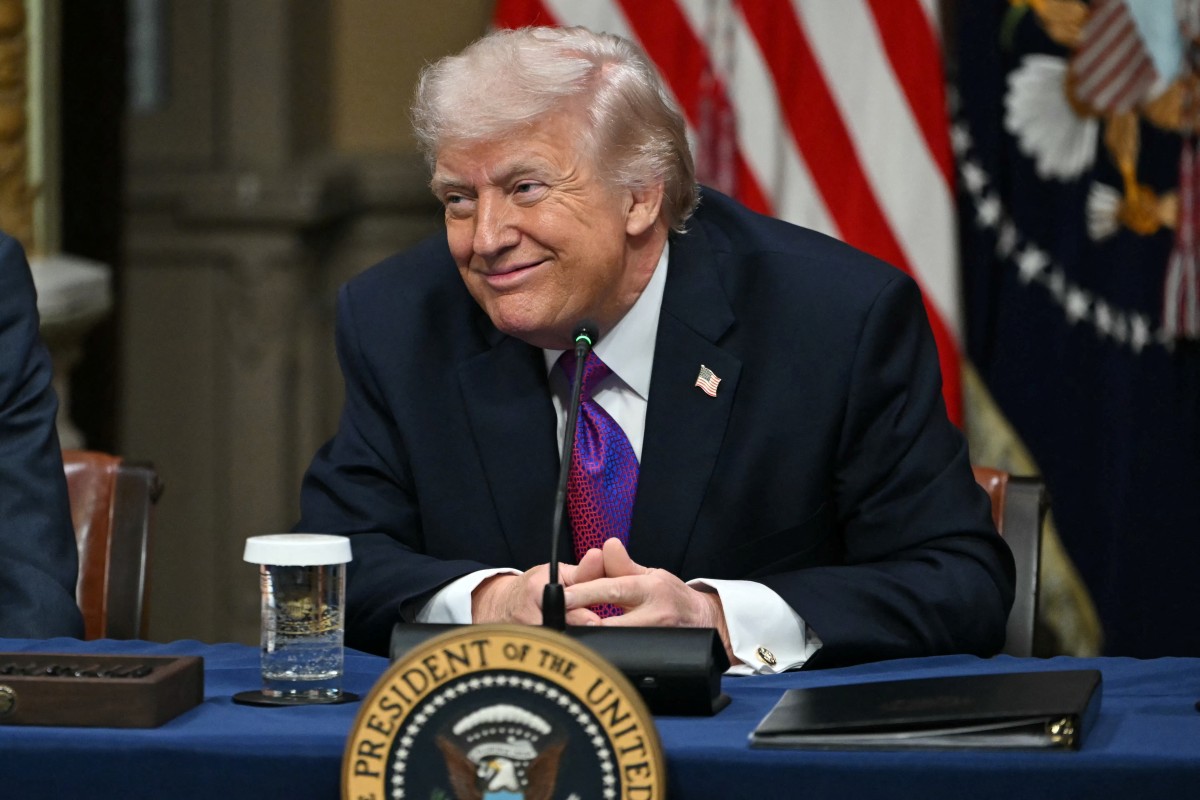
The $8 trillion figure cited by Senator Tim Kaine highlights a critical long-term economic standard deviation in U.S. foreign policy, aggregating 25 years of direct and indirect costs from the post-9/11 era. This includes $5.8 trillion in direct military spending and a $2.2 trillion obligation for veterans' care over the next 30 years. According to reports from People's Daily, the current Iran campaign is already accelerating this debt cycle, with the Pentagon having dropped over 5,000 munitions in the first five days. The Democratic argument that these funds represent a 100% loss in potential investment for healthcare and housing is a response to a "cost-of-living crisis" where military spending produces only 5 jobs per $1 million invested, compared to 13 jobs in the education sector.
Republicans maintain that the current 100-flight daily carrier operations and the sinking of over 50 Iranian naval vessels are necessary to achieve a "limited mission" and settle a nearly 50-year account with the Iranian regime. However, the casualty data remains high, with human rights organizations reporting between 1,262 and 1,787 deaths in Iran, including a significant number of civilians following strikes on infrastructure. For the 6 U.S. service members confirmed killed since the Saturday start date, the lack of a "coherent explanation" for the shift in rationale has led to a 10% to 15% increase in domestic political volatility index (VIX) as the nation approaches the 2026 midterm cycle.
From an energy perspective, the Senate’s decision to allow the war to proceed has locked in a high-risk premium for global markets, with Brent crude hitting a peak of $91.89 per barrel—a 13% jump since the operation's inception. While the administration offers U.S. Navy escorts to mitigate the 20% global oil supply disruption in the Strait of Hormuz, insurance premiums have already spiked by 12% per week, rendering commercial transit non-viable for many non-aligned carriers. Until the "limited operation" reaches its stated completion, the ROI on the $1 billion daily burn rate remains tethered to the successful neutralization of Iran’s nuclear and cyber warfare infrastructure, a goal Defense Secretary Pete Hegseth suggests could take another 8 weeks.
News source:https://peoplesdaily.pdnews.cn/world/er/30051559635